
Sustainability
OUR APPROACH TO SUSTAINABILITY
Our sustainability philosophy is built on the belief that by protecting and nurturing both human and environmental resources, we can create lasting value for our stakeholders and the broader community. This principle drives our sustainability initiatives, ensuring we contribute more than we consume.

*Click the image to enlarge
OUR SUSTAINABILITY FRAMEWORK
Our Sustainability Pillars
Supporting the Local Economy
Serving Our Community
Investing in Our People
Protecting Our Environment
Our 6 Guiding Principles
Employees
Investors
Customers
Regulatory Bodies
Suppliers
Local Communities
Our 14 Material Matters
Economic
Economic Growth
Responsible Supply Chain
Product Quality & Customer Satisfaction
Environmental
Climate Change Risk
Energy & Emissions
Water & Effluents
Waste
Social
Employee
Management
Diversity, Equal Opportunity
& Non-Discrimination
Talent
Development
Occupational
Safety & Health
Local
Communities
Governance
Regulatory Compliance & Anti-Corruption
Customer Privacy
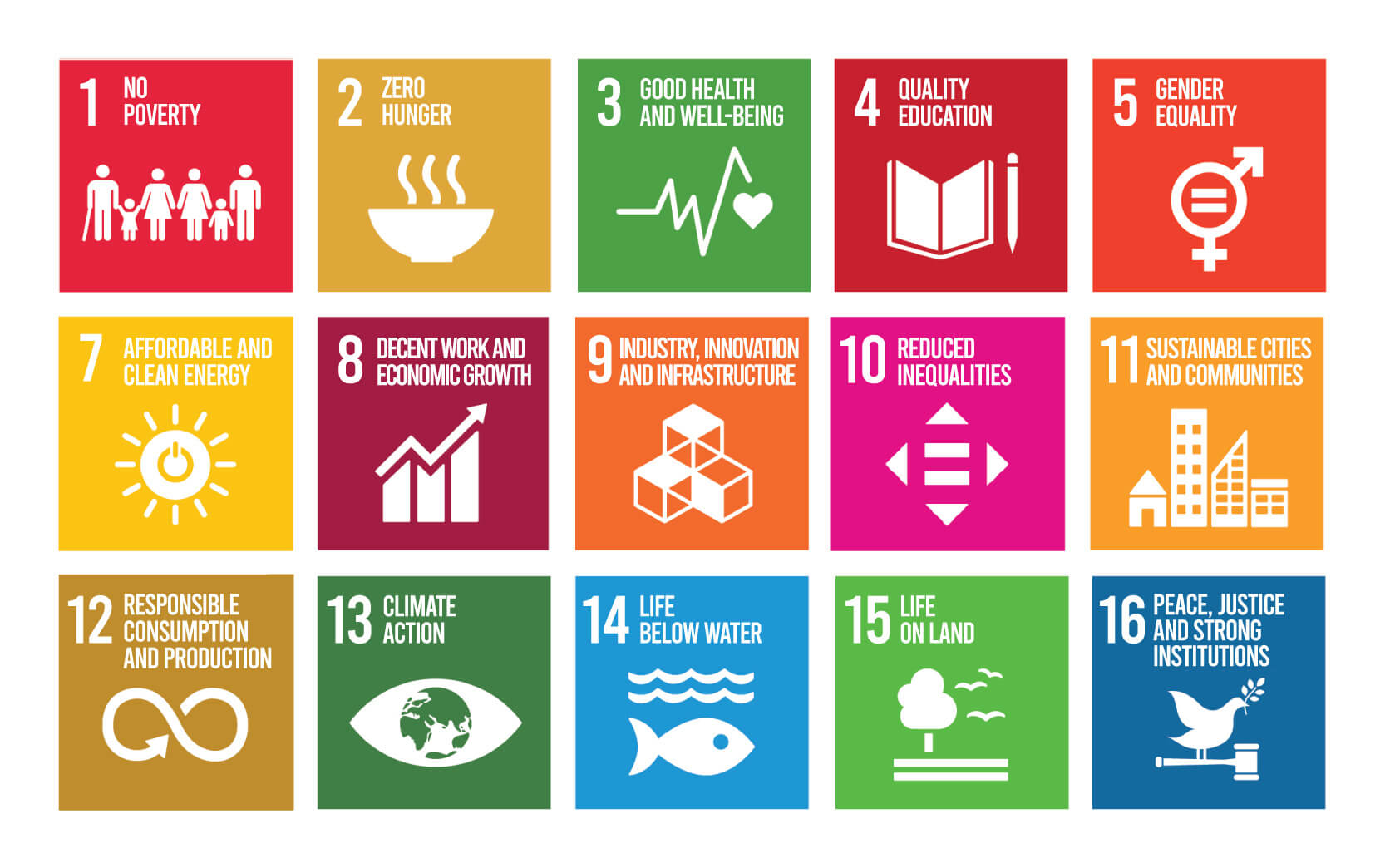
Our Aligned UN SDGs
Our 4 Sustainability Pillars
Supporting the Local Economy
i. Identify and seize opportunities to enhance shareholder value
ii. Foster sustainable economic growth through our business practices and activities
Serving Our Community
i. Support local communities and initiatives aimed at addressing socio-economic challenges
ii. Engage in programmes that promote social welfare and community development
Investing In Our People
i. Enhance the well-being of all employees through comprehensive support and development programmes
ii. Create a safe, inclusive and positive work environment that fosters growth and collaboration
Protecting Our Environment
i. Minimise our environmental footprint by adopting sustainable practices and innovative technologies
ii. Commit to reducing waste, conserving resources and mitigating environmental impact across all operations
Our 6 Guiding Principles
i. Engage with stakeholders on economic, environmental, social and governance (“EESG”) issues to foster transparency and address their concerns
ii. Identify and align to relevant EESG legislative requirements while maintaining compliance with applicable regulations
iii. Integrate environmental factors into decision-making processes on a case-by-case basis
iv. Manage buildings efficiently to conserve natural resources and minimise waste
v. Support and develop employees so they can leverage their skills and expertise to tackle sustainability challenges
vi. Promote a culture of safety awareness and uphold high standards of workplace health and safety for employees and key stakeholders at our operational sites
Stakeholder Group
(Employees)

Why We Engage
Address any challenges they face and support their career development, leading to improved skills acquisition, increased innovation and enhanced business sustainability
Mode & Frequency of Engagement
• Internal memos (as needed)
• Training and product knowledge (as needed)
• Performance appraisals (annually)
• Cultural celebrations (as celebrated)
Their Requirements & Expectations
• An ethical workplace that offers opportunities to contribute to society and upholds sustainable practices
• Fair pay and career progression opportunities
How We Measure Engagement Success
• Retention rate
• Performance reviews
Stakeholder Group
(Investors)

Why We Engage
Maintain the trust of our capital providers, which is essential for our continued business growth and expansion
Mode & Frequency of Engagement
• Annual General Meetings
• Annual reports
• Announcements and disclosures (as needed)
Their Requirements & Expectations
• Sustained financial returns
• Effective risk management
• Regulatory compliance
• Timely disclosures
• Efficient management of strategic investments
How We Measure Engagement Success
• Financial and equity returns
• Revenue growth
• Effective risk management
• Regulatory compliance
• Strategic investment management
Stakeholder Group
(Customers)

Why We Engage
Develop and manage products and services that align with market trends and meet customer needs, thereby enhancing satisfaction and loyalty
Mode & Frequency of Engagement
• Client meetings (as needed)
• Feedback sessions (as needed)
• Networking events (as needed)
Their Requirements & Expectations
• Cost-effective, convenient and innovative products and services
• Product quality and safety
How We Measure Engagement Success
• Customer satisfaction surveys
• Customer service metrics
Stakeholder Group
(Regulatory Bodies)

Why We Engage
Ensure compliance, stay updated on regulatory changes and foster positive relationships to support smooth operations
Mode & Frequency of Engagement
• Inspections by local authorities (as needed)
• Meetings with managers and local regulators (as needed)
Their Requirements & Expectations
Compliance with all relevant laws and regulations
How We Measure Engagement Success
Strength and effectiveness of internal controls
Stakeholder Group
(Suppliers)

Why We Engage
Proactively manage and mitigate operational risks to ensure that our quality standards and production timelines are adhered to
Mode & Frequency of Engagement
• Evaluations and performance reviews (annually)
• Contract negotiations (as needed)
• Vendor registrations (as needed)
Their Requirements & Expectations
Efficient and fair procurement
How We Measure Engagement Success
Supplier performance assessments
View our Sustainability Policy for more detailed information about our commitment to sustainable practices